Ensure Your Liver Health With These Tests & Procedures
Liver Function Tests (LFTs) are a group of blood tests that help evaluate the health of your liver by measuring enzymes, proteins, and waste products in the blood.
These tests not only help detect liver damage but also provide early warning signs of conditions such as fatty liver, hepatitis, and liver inflammation, even before symptoms appear.
Do you know our liver is an essential organ of the body that performs more than 500 vital functions? Well, our liver is a very hardworking yet mostly underestimated organ. Liver disease causes approximately 2 million deaths each year globally, with almost half due to complications of cirrhosis and a half due to viral hepatitis and hepatocellular carcinoma.
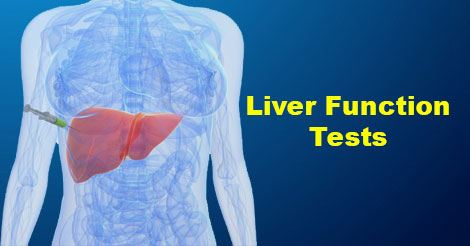
Obesity, medications, viral infections, heavy alcohol intake, genetic disorders, heavy alcohol consumption, etc., can damage the liver. Liver inflammation and damage can further cause the formation of scar tissue, which can give rise to cirrhosis, which can be a severe condition. Following a healthy lifestyle and diet, exercise, and early detections with liver function tests can help maintain your liver well. Assessing your liver health is very crucial.
Liver Function Tests (LFTs)- How well is your liver functioning?
Liver function tests are a group of tests conducted in the blood that help in diagnosing liver disorders and detecting inflammation, and avoiding damage to the liver. The blood sample is examined in a laboratory to check how well your liver is functioning, whether there is any liver damage and the underlying causes.
LFTs measure proteins, enzymes, and other substances that indicate how well the liver is functioning. Also, they can detect if there is damage to liver cells or liver malfunction due to blockage of the blood flow.
What Do Liver Function Tests Measure?
LFTs measure different components in the blood, including:
- Enzymes (ALT, AST, ALP, GGT) – indicate liver cell damage
- Proteins (Albumin, Total Protein) – reflect liver function
- Bilirubin – indicates liver’s ability to process waste
Abnormal levels may indicate liver dysfunction, blockage, or inflammation.
Normal Range of LFT Parameters
Typical normal values include:
- ALT (SGPT): 7 - 55 U/L
- AST (SGOT): 8 - 48 U/L
- ALP: 45–115 U/L
- Bilirubin: 0.1 - 1.2 mg/dL
- Albumin: 3.5 - 5.0 g/dL
These ranges may vary slightly depending on the laboratory and individual health conditions.
What Do Abnormal LFT Results Indicate?
- High ALT/AST: Liver inflammation or damage
- High Bilirubin: Possible jaundice or liver dysfunction
- High ALP: Bile duct blockage or liver disease
- Low Albumin: Chronic liver disease or poor nutrition
Abnormal results do not always confirm a serious condition but require further evaluation.
Common Causes of Abnormal LFT
Abnormal liver test results may be caused by:
- Fatty liver disease
- Hepatitis infection
- Alcohol consumption
- Medication side effects
- Obesity and metabolic disorders
In many cases, lifestyle factors play a significant role.
Symptoms of Liver Problems
Liver issues may present with:
- Fatigue
- Yellowing of skin (jaundice)
- Abdominal pain
- Dark urine
- Loss of appetite
However, many liver conditions remain silent in early stages.
LFTs are most often used to:
- Monitor how well the treatment is working.
- Help detect liver diseases, like hepatitis
- Evaluate the damage to a liver or scarring due to disease, like cirrhosis
- Assess side effects of certain medications
Why do I need liver function tests?
Complete LFTs or one or more components are often recommended to understand the damage, disorder, or injury in the following situations
- A history of hepatitis or possible exposure to hepatitis viruses
- Excessive and regular alcohol consumption of alcohol might affect liver tissues
- If a person experiences symptoms of liver or bile disease
- If a person has certain medical conditions like diabetes, high triglycerides, high blood pressure, anemia, gallbladder disease, etc.
- Use of medications or recreational substances that might affect the liver
Different Types Of Liver Function Tests
Based on which enzyme or protein is being evaluated, LFTs consist of different types-
- ALT and AST- These enzymes, formerly known as SGOT and SGPT, are normally found in liver cells that leak out of cells and mix in blood when liver cells get injured. The ALT is a more specific indicator of liver inflammation as AST can also be found in other organs like the heart and skeletal muscles. Due to injury to the liver, as in cases of viral hepatitis, the level of the ALT and AST may be used as a general indicator of the degree of liver damage or inflammation.
- Alkaline phosphatise- The alkaline phosphatise is a commonly used test to detect obstruction in the biliary system (bile vessels). Elevation of this enzyme may be found in gallstone disease, excessive alcohol abuse, and drug-induced hepatitis. It can also be found in primary biliary cirrhosis (PBC) or biliary tumours.
- Bilirubin- Bilirubin is the primary bile pigment that, when elevated, causes the yellow discoloration of the skin, commonly known as jaundice, and is a byproduct of the normal breakdown of red blood cells in the body. Bilirubin can be elevated in many forms of liver or biliary diseases.
- Albumin- It is a major protein that is formed by the liver. Although there could be several factors that can affect the level of albumin in the blood but chronic liver diseases, cause a dip in the amount of albumin produced, and therefore the level of albumin in the blood gets reduced and shows up in the albumin test.
- GGT and LDH- Gamma-glutamyltransferase is an enzyme found in the blood. Abnormally high levels may indicate liver or bile duct damage. LDH-lactate dehydrogenase is also an enzyme found in the liver, and its elevated levels may indicate liver damage.
- Australia Antigen Test for Hepatitis B is an important liver function test. Also known as HBsAg and Hepatitis B Surface Antigen, Australia antigen is Hepatitis B surface antigen. A positive Australia antigen test report means that the person may be suffering from hepatitis B. This may be acute hepatitis, chronic hepatitis, or in the carrier state. This test is done in a blood sample.
When Should You Get a Liver Function Test?
You should consider an LFT if:
- You have a history of alcohol consumption
- You have diabetes or obesity
- You experience fatigue or digestive issues
- You have a family history of liver disease
- You are above 30 years of age
Regular testing helps in early detection and prevention.
Liver diseases often progress silently and may not show symptoms until advanced stages. Regular LFTs help detect early abnormalities, allowing timely intervention and lifestyle correction.
In preventive health screenings, many individuals show mildly elevated liver enzymes without noticeable symptoms. This is commonly associated with fatty liver, lifestyle habits, or metabolic conditions.
Early testing helps identify such risks before they progress into serious liver disease.
What to do next?
Interpreting the results of LFTs is intricate and is best done under the guidance of your healthcare expert. Several ailments and diseases can be detected using LFTs. Your healthcare expert will check and evaluate the pattern of abnormalities depending on your symptoms, signs, etc. He will diagnose the condition and suggest the needed treatment, further screening or lifestyle changes, etc., depending on the condition. Opting for a regular preventive health checkup spells several benefits to keeping a check on the overall functioning of your liver.
Comprehensive health checkup packages offered by Indus Health Plus can be an effective way to reduce the risk of getting sick as well as early detection and timely treatment for any underlying medical conditions.
Want to know more about LFTs? Want to assess your liver health?
Connect with us now.
Sources & Medical References
The information provided in this article is based on global clinical guidelines and medical research related to liver health and diagnostic testing.
- World Health Organization (WHO): Provides global insights on liver diseases, risk factors, and prevention strategies.
- Mayo Clinic: Offers expert-backed guidance on liver function tests, interpretation, and related conditions.
- National Institutes of Health (NIH): Provides research-based data on liver health, enzymes, and diagnostic procedures.
- Cleveland Clinic: Covers clinical explanations of LFT parameters, symptoms, and liver disease management.
 Share It
Frequently Asked Questions
What are Liver Function Tests (LFTs)?
Liver Function Tests (LFTs) are a group of blood tests that measure enzymes, proteins, and substances in the blood to evaluate liver health.
What do LFT tests measure?
LFTs measure enzymes such as ALT, AST, ALP, and GGT along with bilirubin and proteins like albumin to assess liver function.
What is the normal range for liver function tests?
Typical ranges include ALT 7–55 U/L, AST 8–48 U/L, ALP 45–115 U/L, bilirubin 0.1–1.2 mg/dL, and albumin 3.5–5.0 g/dL.
What does a high LFT result mean?
High LFT values may indicate liver inflammation, fatty liver disease, hepatitis, bile duct blockage, or damage from alcohol or medications.
What are the symptoms of liver problems?
Symptoms include fatigue, jaundice, abdominal pain, dark urine, nausea, and loss of appetite, though early stages may not show symptoms.
Who should get a liver function test?
Individuals with diabetes, obesity, alcohol consumption, poor diet, or family history of liver disease should consider LFT testing.
When should I get an LFT done?
LFT is recommended if you have symptoms like fatigue or jaundice or as part of routine preventive health checkups.
Can abnormal LFT results be reversed?
In many cases, abnormal LFT values can improve with lifestyle changes and medical management depending on the cause.
Are LFTs enough to diagnose liver disease?
LFTs provide important indicators but are usually combined with imaging or additional tests for accurate diagnosis.
How often should liver function tests be done?
Annual testing is recommended for most individuals, while high-risk individuals may need more frequent testing.
Sources & Medical References
+
NA



Our Most Popular Packages