Diet for Kidney Diseases: Foods for Healthy Kidneys
Written By: Indus Health Plus Doctors Team
Medically Reviewed | Based on Clinical Guidelines
Last Updated: 08 May 2026
According to the research of National Kidney Foundation, nearly 10% of world's population is affected by the most common health problem i.e. kidney disease. Kidney carries out many essential tasks like removing the waste products, releasing the hormones which help in regulating the blood pressure, etc. You need to make various changes in your diet to ensure that your kidney works properly. Nutrition and diet always play an important role in handling every type of illness. When you are suffering from chronic kidney diseases, the only aim of these kidney disease diets is to maintain the levels of minerals, electrolytes, and the fluid present in the body.
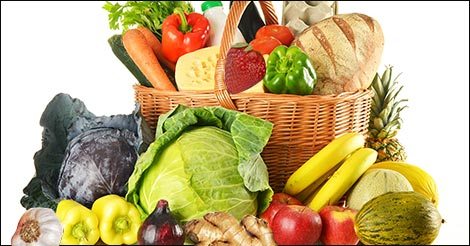
Many specialized hospitals offer a special diet plan for kidney patients, which is a kidney-friendly diet. It helps you to stay healthier for a longer period of time. Some doctors will also advise you to try DASH eating plan (Dietary Approaches to Stop Hypertension). This plan focuses on foods, which are heart healthy and are low in sodium, cholesterol while being rich in fiber, protein and nutrients. It will include vegetables, fish, fruits, whole grains, nuts and fat-free dairy products. You need to be conscious and alert while choosing your diet.
Food List for Maintaining Kidney Health
-
Garlic
Garlic is the best substitute for the salt. It also adds zest to the dish and provides various nutritional benefits. It is known as an excellent source of vitamin B6, vitamin C and manganese.
-
Apples
Apples are beneficial for the kidney and help in removing the ill effects of the disease, which you undergo at the primary stage. Being a good source of pectin (soluble fiber), they also prove helpful in lowering the glucose and cholesterol levels.
-
Cabbage
Cabbage is loaded with power plant compounds, minerals and vitamins -a great source of vitamin B, C and K. Furthermore, it is free from sodium, potassium and phosphorus and provides an insoluble fiber which plays a pivotal role in maintaining the health of the digestive system.
-
Onion
Onion is also a good alternative to salt. With onions, you get a sodium-free flavor in your renal diet dishes. They are also rich in vitamin B, vitamin C and manganese.
-
Strawberries
Strawberries are highly beneficial for those who suffer from kidney diseases. This fruit is powered up with fiber, vitamins and antioxidants while being low on potassium. You can also opt for raspberries and blueberries along with strawberries.
-
Ginger
Ginger helps in improving the kidney function and boosts your immunity. It also helps in relieving the clots and improves the quality of the patient's life.
With a growing number of kidney patients, kidney disease prevention becomes very essential. Never miss on your regular master health checkup; it is the best way to ensure that you are taking proper care of your health. These health checkup packages act as a savior, help in accessing the risk factors and guide you in taking needful action towards these diseases. If you have a family history of kidney disease or noticing any symptoms like swollen feet, do not waste time, prevention is always better than cure.
Frequently Asked Questions
What foods are considered kidney-friendly?
Kidney-friendly foods may include apples, cabbage, cauliflower, berries, garlic, onions, and low-sodium meals depending on individual medical needs.
Can diet help improve kidney health?
A balanced diet may help support kidney function by reducing excess sodium, controlling blood pressure, and supporting healthy metabolic function.
Should people with kidney disease avoid salt?
Many individuals with kidney disease are advised to reduce sodium intake because excess salt may increase blood pressure and fluid retention.
Is drinking more water always beneficial for kidney health?
Hydration requirements vary depending on kidney function and medical conditions. Individuals with kidney disease should follow medical guidance regarding fluid intake.
Who is at higher risk of chronic kidney disease?
People with diabetes, hypertension, obesity, family history of kidney disease, smoking habits, or cardiovascular disease may have a higher risk of chronic kidney disease.
Can preventive health checkups help detect kidney disease early?
Regular preventive health checkups may help identify kidney-related abnormalities through blood tests, urine tests, and metabolic health screening before symptoms become severe.
Sources & Medical References
+
The information provided in this article is based on publicly available medical resources, kidney health guidelines, and preventive healthcare recommendations from recognized healthcare organizations.
Medical & Health References
- National Kidney Foundation (NKF)
- National Institute of Diabetes and Digestive and Kidney Diseases (NIDDK)
- MedlinePlus – Kidney Diseases
- MedlinePlus – Diet for Chronic Kidney Disease
- Mayo Clinic – Kidney Disease & Renal Diet Guidance
- Centers for Disease Control and Prevention (CDC) – Chronic Kidney Disease
- American Kidney Fund
- Preventive healthcare and wellness resources from Indus Health Plus
Related Health Checkup Packages

Our Most Popular Packages