Blood Cancer - Overview
Written By: Indus Health Plus Doctors Team
Medically Reviewed | Based on Clinical Guidelines
Last Updated: 24 Apr 2026
Blood cancer is a group of cancers that affect the production and function of blood cells, typically originating in the bone marrow. It disrupts the body’s ability to produce healthy blood cells, weakening immunity and affecting oxygen transport and clotting.
Early detection is critical, as many types of blood cancer can be managed effectively when diagnosed at an early stage.
Cancer has been one of the leading causes of death worldwide and blood cancer is a widely prevalent type of cancer. Most of the functions and productions of blood cells are affected by blood cancer. It is seen that most of the cancers begin from the place where blood is produced i.e. bone marrow. In this case, the process of development of normal blood cells is disrupted by the growth of an abnormal type of cell. These cancerous blood cells stop your blood from performing their primary functions like preventing blood loss, fighting against infections, etc.
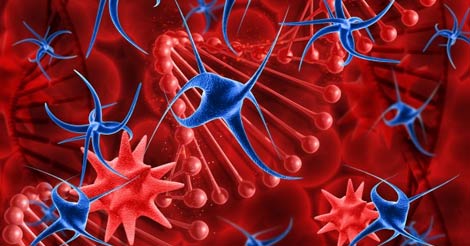
Blood Cancer Facts /Awareness
- Leukaemia is most commonly found in small children.
- Lymphoma is commonly found in the people who fall in the age group of 16 to 25 years.
- About 31% of males suffer from leukaemia as compared to females.
- Note that blood cancer prognosis is dependent on different factors like age, how severe it is, and at which stage it has been diagnosed.
Blood Cancer Types
There are mainly three types of blood cancer as given below:
- Myeloma
- Lymphoma
- Leukaemia
Causes of Blood Cancer:
- Family history
- Certain infections
- Ageing
- Weak immune system
However, the specific risk factors of blood cancer malignancy are still unidentified.
Sign and Symptoms of Blood Cancer
- Weight loss
- Bleeding gums
- Tiredness and fatigue
- Back pain, abdominal pain, and bone pain
- Fever
- Dark spots and fine rashes
- Enlargement of lymph node
Cancer prevention is a key in controlling the risk of cancer. Regular screening of cancer can assist in identifying this life-threatening condition in its initial phase. This can facilitate its complete cure by timely removal of precancerous growth.
- Adopt a healthy lifestyle and maintain a balanced diet
- Take all the necessary safety measures
- Avoid getting exposed to the radiations
How Blood Cancer Affects the Body
Blood cancer begins when abnormal cells grow uncontrollably in the bone marrow. These abnormal cells crowd out healthy blood cells, leading to:
- Reduced red blood cells → fatigue and anemia
- Reduced white blood cells → increased infections
- Reduced platelets → bleeding and bruising
This disruption affects overall body function and immunity.
Stages of Blood Cancer
Blood cancer is often classified into stages based on severity and spread:
- Stage 1: Enlarged lymph nodes, minimal spread
- Stage 2: Spread to spleen or liver
- Stage 3: Development of anemia and multiple organ involvement
- Stage 4: Advanced stage affecting multiple organs and severe symptoms
Early-stage detection significantly improves treatment outcomes.
Blood Cancer Diagnosis
- Blood tests
- Biopsy
- Bone marrow exam
- Imaging tests like PET scan, CT scan, and chest X-ray
- Physical exam
These tests surely help in blood cancer detection.
Blood Cancer Treatments
- Chemotherapy
- Transplantation of bone marrow
- Biological therapy
Having dietary and lifestyle changes during this period is important to ensure faster recovery. Behavioral risk factors like usage of alcohol and tobacco, obesity, not being physically active and less intake of a healthy diet can result in up to 30% of cancer deaths.
A healthy diet for sure will help you to remain strong and fit during your treatments also.
When Should You Seek Medical Advice?
You should consult a doctor if:
- Symptoms persist for more than 2–3 weeks
- You experience unexplained weight loss or fatigue
- You have frequent infections
- You notice unusual bleeding or bruising
Early consultation helps in timely diagnosis and better outcomes.
Diagnosis of Blood Cancer
Diagnosis may include:
- Complete blood count (CBC)
- Bone marrow biopsy
- Imaging tests (CT, PET scan)
- Genetic and molecular testing
These tests help confirm the diagnosis and determine the stage and type of cancer.
Treatment Options
Treatment depends on the type and stage of blood cancer and may include:
- Chemotherapy
- Radiation therapy
- Immunotherapy
- Targeted therapy
- Bone marrow or stem cell transplant
Treatment plans are personalized based on patient condition.
In preventive health screenings, many individuals present with abnormal blood parameters without obvious symptoms. Early evaluation through blood tests can help detect potential risks before progression into serious conditions like blood cancer.
Blood cancers often progress silently, especially in early stages. Regular health checkups and blood tests can help detect abnormalities early, improving treatment success rates and long-term outcomes.
Frequently Asked Questions
What is blood cancer?
Blood cancer is a group of cancers that affect the production and function of blood cells, usually originating in the bone marrow.
What are the main types of blood cancer?
The main types are leukemia, lymphoma, and myeloma, each affecting different parts of the blood and immune system.
What are the early symptoms of blood cancer?
Early symptoms include fatigue, frequent infections, unexplained weight loss, fever, night sweats, and easy bruising.
What causes blood cancer?
Blood cancer may be caused by genetic mutations, exposure to radiation or chemicals, family history, or immune system disorders.
Who is at risk of developing blood cancer?
Risk factors include older age, family history, exposure to harmful chemicals, radiation, and weakened immunity.
How is blood cancer diagnosed?
Diagnosis includes blood tests, bone marrow biopsy, imaging tests, and genetic analysis.
Can blood cancer be detected early?
Yes, early detection is possible through routine blood tests and monitoring unusual symptoms.
Is blood cancer curable?
Some types of blood cancer are treatable and manageable, especially when detected early.
What are the treatment options for blood cancer?
Treatment options include chemotherapy, radiation therapy, immunotherapy, targeted therapy, and stem cell transplant.
When should I see a doctor for blood cancer symptoms?
Consult a doctor if symptoms like fatigue, infections, weight loss, or unusual bleeding persist for more than a few weeks.
Sources & Medical References
+
NA
Our Most Popular Packages