Blood Cancer Types and Stages
Written By: Indus Health Plus Doctors Team
Medically Reviewed | Based on Clinical Guidelines
Last Updated: 28 Apr 2026
Blood cancer, also known as hematological cancer, affects the blood, bone marrow, and lymphatic system. It disrupts the normal production and function of blood cells, which are essential for immunity, oxygen transport, and clotting.
Understanding the types and stages of blood cancer is important for early detection and timely treatment.
Blood cancer is one of the most common cancers and divided into three majorly found types. These types of blood cancer varies with their origin and the area which they affect, however, they all come in same category.
This article here talks about blood cancer types and stages
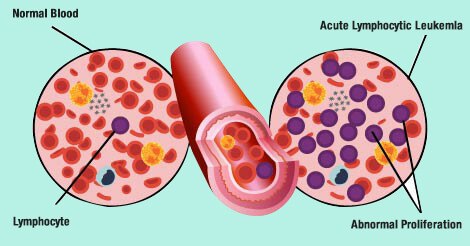
Blood Cancer Types
-
Leukaemia -
Leukemia originates in the bone marrow and leads to the uncontrolled production of abnormal white blood cells.
It is classified into:
- Acute leukemia (fast-growing)
- Chronic leukemia (slow-growing) -
Lymphoma -
Lymphoma affects the lymphatic system and lymphocytes.
Types include:
- Hodgkin lymphoma
- Non-Hodgkin lymphoma -
Myeloma -
This type affects plasma cells in the bone marrow and impacts the immune system and bone health.
Blood Cancer Stages
The stages of the cancer are divided on the basis of metastasis. There are different scales to determine different stages, according to the symptoms and rate of metastasis.
Mainly the stages of the cancer have been divided into four parts:
-
Stage 1
The blood cancer 1st stage includes the enlargement of the lymph nodes. This happens because of the sudden increase of the number of the lymphocytes. The risk at this stage is very low as the cancer is not yet spread or affected any other physical organ.
-
Stage 2
In the blood cancer 2nd stage, spleen, liver and lymph nodes get enlarged. It is not necessary that all these organs get affected at the same time; however, this stage includes one of these organs for sure. The growth of the lymphocytes is very high in this stage.
-
Stage 3
In the blood cancer 3rd stage, anaemia develops in the third stage and above mentioned organs are still found enlarged. It is sure that more than two organs get affected in this stage.
-
Stage 4
The blood cancer 4th stage is the last stage with the highest risk ratio. The rate of blood platelets starts falling rapidly. The cancerous cells start affecting the lungs including the other organs which already started getting affected in the earlier stages. Anaemia, in this stage, is more likely to be acute.
Common Symptoms of Blood Cancer
Symptoms may vary depending on the type but commonly include:
- Fatigue and weakness
- Frequent infections
- Unexplained weight loss
- Swollen lymph nodes
- Bone or joint pain
- Easy bruising or bleeding
When Should You Consult a Doctor?
You should seek medical attention if you experience:
- Persistent fatigue
- Frequent infections
- Unexplained weight loss
- Swelling in lymph nodes
Early diagnosis improves treatment outcomes significantly.
What We Observ
In preventive screenings, many individuals show early warning signs such as abnormal blood counts without noticeable symptoms. These early indicators can help in identifying serious conditions like blood cancer at an initial stage.
Diagnosis of Blood Cancer
Diagnosis typically involves:
- Blood tests (CBC)
- Bone marrow examination
- Imaging tests (CT scan, MRI)
- Biopsy
These tests help confirm the type and stage of cancer.
Blood cancer is a broad group as there are many different types of this cancer. They are categorized into three main groups. Each specific type of cancer affects a particular type of cell present in the blood. A routine blood test can lead to the early detection of these cancers.
Regular heart health checkups play a crucial role in early detection of serious conditions like blood cancer.
Indus Health Plus offers comprehensive preventive health checkup packages designed to identify early risk factors and support timely diagnosis.
Frequently Asked Questions
What are the main types of blood cancer?
The main types of blood cancer are leukemia, lymphoma, and multiple myeloma.
What is the difference between acute and chronic leukemia?
Acute leukemia develops rapidly and requires immediate treatment, while chronic leukemia progresses slowly.
How are blood cancer stages determined?
Stages are based on disease spread, affected organs, and abnormal blood cell levels.
What are the early symptoms of blood cancer?
Symptoms include fatigue, infections, weight loss, swollen lymph nodes, and easy bruising.
Can blood cancer be detected early?
Yes, early detection is possible through routine blood tests and health screenings.
Which type of blood cancer is most common?
Leukemia and lymphoma are among the most commonly diagnosed blood cancers.
Is blood cancer curable?
Some blood cancers are treatable, especially when detected early, depending on type and stage.
How is blood cancer diagnosed?
Diagnosis involves blood tests, bone marrow biopsy, imaging tests, and other investigations.
Who is at higher risk of blood cancer?
Risk factors include age, genetics, radiation exposure, and weakened immunity.
Why is early detection important in blood cancer?
Early detection allows timely treatment and improves survival outcomes.
Sources & Medical References
+
The information provided in this article is based on global clinical research and medical guidelines related to blood cancer, its types, staging, and diagnosis.
- World Health Organization (WHO)
Provides global insights into cancer prevalence, risk factors, and prevention strategies. - National Cancer Institute
Offers detailed information on blood cancer types, staging, and treatment approaches. - Mayo Clinic
Provides expert-reviewed guidance on symptoms, diagnosis, and management of blood cancers. - American Cancer Society
Covers patient-friendly explanations of cancer types, stages, and treatment options.





Our Most Popular Packages