Best Ways To Eat Yogurt Or Curd
Written By: Indus Health Plus Doctors Team
Medically Reviewed | Based on Clinical Guidelines
Last Updated: 23 Apr 2026
Curd (yogurt) is a probiotic-rich food that supports digestion, gut health, and immunity. However, the way you eat curd—its timing, combinations, and preparation—can significantly impact its health benefits.
Understanding the right ways to consume curd can help improve digestion and avoid common mistakes that reduce its effectiveness.
Everyone loves yogurt or curd. It is one food which is relished 'sweet or salted' equally by one and all. In Indian cuisine, it has a special place in every meal as raita or plain curd.
Apart from the usual, there are several other interesting ways to eat this dairy wonder.
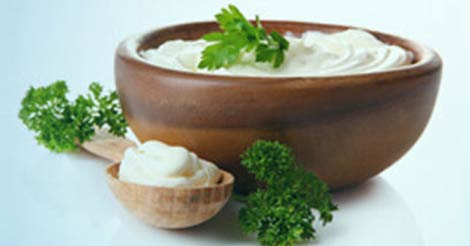
Try it this way,
Make a dip, take a dip
Forget fattening mayonnaise and calorie laden cream. Instead of using those, try using thick yogurt while making a dip. The little trick is to hang curd overnight in a muslin cloth to get rid of excess water and make it thicker.
Rest of the recipe is simple. Beat the thick curd smooth. Add seasonings like crushed garlic, chills flakes, mustard sauce, mint chutney or whatever you fancy. Check and add salt as per taste. Serve with finger food, fresh & raw veggie sticks or crackers.
Spread the curd
Use the above recipe of creamy and yummy dip on breads as a spread. Substitute it with regular mayonnaise in your sandwiches and burgers. Rest assured there won’t be any compromise on taste.
Curd in salad
Cut, chop and shred salad ingredients like lettuce, par boiled carrots & peas, boiled corn,cucumber,tomatoes,sprouts, roasted peanuts, pine nuts or whatever you like. Mix half a cup of thick and beaten curd. Add a dash of lime, pinch of sugar, a spoonful of olive oil, salt to taste and your healthy salad is ready. Viola! It’s super yummy and healthy.
Yummy Smoothie
While making shake or smoothies with milk and fruit, use curd instead of milk and keep the fruit of your choice same. Take fruits like banana, strawberry, mango, chikku and other such fruits in a blender and add a cupful of thick curd. Add sugar and ice if desired. Churn for a minute and there you get a nice, creamy and healthy smoothie!
Smoothies are a great source of energy post workout and an excellent breakfast option.
Frozen dessert:
Frozen fruit yoghurt can be a great dessert option. Lightly sweeten thick curd (you can use honey for this), add small pieces of cut fruits and some chopped nuts. Mix gently and freeze in nice ice-cream glasses. Using small shot glasses for this would be a nice idea too.
Handy Tips
- Replace all your cream based recipes with thick yoghurt
- Even in your pastas, add thick yoghurt to make it creamy
- To get creamy texture, pass the set curd in a wide sieve
Health Benefits of Eating Curd
Curd offers multiple health benefits due to its nutrient and probiotic content:
- Supports digestion by promoting healthy gut bacteria
- Helps improve immunity
- Rich in calcium for bone health
- Provides protein for muscle and metabolism
- Helps maintain overall gut balance
Regular consumption of curd can be beneficial when included as part of a balanced diet.
Best Time to Eat Curd
Curd is best consumed during the daytime, especially with meals like lunch. During this time, digestion is more active, allowing better absorption of nutrients and probiotics.
Consuming curd at night may not suit everyone, especially those prone to cold, cough, or digestive discomfort.
Who Should Avoid or Limit Curd?
Curd may not be suitable for everyone. It is advisable to limit or avoid curd if you:
- Have lactose intolerance
- Experience frequent bloating or indigestion
- Have cold, cough, or sinus issues
- Are sensitive to dairy products
In such cases, consult a healthcare professional before regular consumption.
Common Mistakes While Eating Curd
Some common mistakes that reduce the benefits of curd include:
- Consuming very sour or old curd
- Adding excessive sugar
- Eating curd late at night
- Combining curd with heavy or oily foods
Avoiding these mistakes helps maximize its digestive and nutritional benefits.
What We Commonly Observe
In daily dietary patterns, curd is often consumed without considering timing or combinations. Many individuals experience bloating or discomfort due to improper consumption habits, while correct usage can significantly improve digestion and gut health.
When Should You Be Careful?
You should be cautious if:
- You experience digestive discomfort after consuming curd
- You have ongoing gut or stomach issues
- You are consuming curd daily without variation
Moderation and proper combination are key to getting benefits.
Sources & Medical References
The information provided in this article is based on nutritional science and global health guidelines related to probiotics, digestion, and dietary habits.
- World Health Organization (WHO): Provides global guidance on nutrition, gut health, and balanced diets.
- National Institutes of Health (NIH): Research-based information on probiotics, digestion, and dietary health.
- Harvard Medical School – Nutrition Source: Insights on probiotics, gut microbiome, and digestive health.
- Cleveland Clinic: Clinical guidance on gut health, probiotics, and digestion.
Frequently Asked Questions
Is it good to eat curd every day?
Yes, curd can be consumed daily as part of a balanced diet. It contains probiotics that support digestion and gut health. However, portion control and proper timing are important.
What is the best time to eat curd?
Curd is best consumed during the daytime, especially at lunch, when digestion is more active and nutrient absorption is better.
Can I eat curd at night?
Eating curd at night may cause bloating or discomfort in some individuals. It is generally recommended to consume curd during the day.
What are the health benefits of curd?
Curd improves digestion, supports gut health, boosts immunity, and provides calcium and protein essential for overall health.
Who should avoid eating curd?
People with lactose intolerance, frequent bloating, sinus issues, or dairy sensitivity should limit or avoid curd.
Can curd help with digestion?
Yes, curd contains probiotics that help maintain gut balance and improve digestion.
What are common mistakes while eating curd?
Common mistakes include eating sour curd, consuming it late at night, adding too much sugar, or heating it, which kills probiotics.
Is curd better than milk for digestion?
Curd is generally easier to digest than milk because it contains probiotics that support digestion.
Can curd cause cold or cough?
In some individuals, curd may aggravate cold or mucus issues, especially when consumed at night.
How should curd be eaten for maximum benefits?
Curd should be eaten fresh, preferably during the day, and combined with fruits, vegetables, or mild spices for better digestion.
Sources & Medical References
+
NA

Our Most Popular Packages