Thyroid Disorder: Symptoms, Causes & Prevention
Written By: Indus Health Plus Doctors Team
Medically Reviewed | Based on Clinical Guidelines
Last Updated: 27 Apr 2026
The thyroid is a small gland located in the neck that plays a crucial role in regulating metabolism, energy levels, and hormonal balance.
Thyroid disorders occur when this gland produces too much or too little hormone, leading to conditions such as hypothyroidism and hyperthyroidism. Early detection is important, as thyroid imbalances can affect multiple body systems if left unmanaged.
Today, work is the highest priority for everyone. Sedentary lifestyle and stressful work culture have led to increasing health problems. By the virtue of hormones, the thyroid gland secretes and controls almost every function of the body. The hectic lifestyle changes has put a lot of pressure on this butterfly-shaped gland located at the base of your neck. Thyroid disorders range from goiter to thyroid cancer and could affect anyone in many different ways. According to the stats provided by Health and Family Welfare Statistics in India 2013; there is one patient in every 2000 who suffers from thyroid disorder. Let’s get to know more about Thyroid Disease and it’s Symptoms
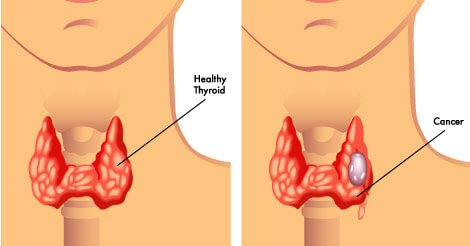
Thyroid Causes
Some of the causes for thyroid disorders are as follows:
- Iodine deficiency
- Thyroid gland inflammation (due to a virus or bacteria)
- Autoimmune diseases (in which your own immune system attacks your body)
- Genetic disorders
- Medical treatments like thyroid surgery, radiation therapy and few medicines also lead to thyroid problems.
- Cancerous tumors on the thyroid
- Non-cancerous lumps or nodules inside the thyroid
Role of the Thyroid Gland
The thyroid gland produces hormones (T3 and T4) that control:
- Metabolism
- Heart rate
- Body temperature
- Energy levels
Any imbalance in these hormones can impact overall health.
Types of Thyroid Disorders
Occurs when the thyroid gland produces insufficient hormones.
Symptoms include:
- Fatigue
- Weight gain
- Cold intolerance
- Dry skin
- Depression
Hyperthyroidism (Overactive Thyroid)
Occurs when the thyroid produces excess hormones.
Symptoms include:
- Weight loss
- Anxiety
- Rapid heartbeat
- Sweating
- Tremors
Normal Thyroid Levels
Thyroid function is commonly assessed using the TSH (Thyroid Stimulating Hormone) test.
- Normal TSH range: 0.4 to 4.0 mIU/L
Higher TSH levels may indicate hypothyroidism, while lower levels may suggest hyperthyroidism.
Types of Thyroid Disorders
There are six main conditions associated with the thyroid gland
- Hyperthyroidism: This condition occurs when the gland secretes more thyroid hormone than what the body requires.
- Hypothyroidism: This condition is caused when the gland releases low levels of thyroid hormone.
- Hashimoto’s disease: It is also known as chronic lymphocytic thyroiditis.
- Grave’s disease: It is an autoimmune disorder.
- Goiter: Involves non-cancerous enlargement of thyroid gland.
- Thyroid nodules: Nodules develop on or in thyroid gland.
Symptoms of Thyroid Disorders
The most common symptoms of thyroid disorders include:
- Nervousness
- Poor concentration
- Menstrual changes
- Bloating
- Palpitations
- Aches/pains
- Weight gain
- Heat intolerance
- High cholesterol levels.
With the help of regular preventive health checkups, doctors can detect early signs or development of the disease.
Thyroid Disorders Prevention Tips
-
Avoid Processed Food:
A lot of chemicals can alter the thyroid hormone production. One needs to avoid any kind of processed food; they are on the edge of the thyroid disorder. -
Avoid Soy:
Limit the soy intake as it alters the hormone production. -
Stop Smoking:
The toxins released during smoking can make the thyroid gland over sensitive which can lead to thyroid disorders. -
Reduce Stress:
Stress is one of the major contributors in many health disorders including thyroid disease.
Causes of Thyroid Disorders
Thyroid disorders may be caused by:
- Autoimmune conditions (like Hashimoto’s or Graves’ disease)
- Iodine deficiency or excess
- Hormonal imbalance
- Stress and lifestyle factors
- Genetic predisposition
Common Symptoms of Thyroid Problems
Symptoms may vary depending on the type of disorder but commonly include:
- Fatigue or weakness
- Weight changes
- Mood swings
- Hair thinning
- Irregular menstrual cycles
- Sleep disturbances
Diet for patients with thyroid disorders:
Follow below thyroid diet to avoid or prevent thyroid problems:
-
What to Take:
Yogurt, seaweed, nuts, milk, chicken, fish, eggs, berries, cauliflower, and kale. -
What to Reduce:
Soy and soy products. -
What to Avoid:
Gluten, processed food, and fast food.
When Should You Get a Thyroid Test?
You should consider testing if:
- You experience unexplained weight changes
- You have persistent fatigue
- You have a family history of thyroid disorders
- You are above 30 years of age
- You experience menstrual irregularities
Regular testing helps in early diagnosis and management.
What We Observ
In preventive health screenings, many individuals show borderline thyroid levels without noticeable symptoms. These early imbalances are often linked to lifestyle, stress, or hormonal factors and can be managed effectively with timely intervention.
PREVENTION / MANAGEMENT
While not all thyroid conditions can be prevented, the following steps can help maintain thyroid health:
- Maintain a balanced diet with adequate iodine
- Manage stress levels
- Get regular health checkups
- Avoid self-medication
- Follow medical advice for existing conditions
Conclusion
Thyroid disorders are easy to manage. With a little help from the medication and some easy lifestyle changes, you can easily live a normal life. Regular physical activity is very important to stay fit and healthy. Make sure to take a healthy diet and not miss out any medication. Furthermore, regular preventive health checkups can help keep an eye on our body’s nutrient levels and health status.
Monitoring creatinine levels ensures maintaining healthy kidneys. When you experience some unusual symptoms or want to get clear about the condition of your kidney, ask your physician. Routine full body checkups can help identify the problem early, and keep your health on course.
Frequently Asked Questions
What are thyroid disorders?
Thyroid disorders occur when the thyroid gland produces too much or too little hormone, affecting metabolism and overall body function.
What are the common types of thyroid problems?
The main types are hypothyroidism and hyperthyroidism, which involve low and high thyroid hormone levels respectively.
What are the early symptoms of thyroid problems?
Early symptoms include fatigue, weight changes, mood swings, hair thinning, and irregular menstrual cycles.
What causes thyroid disorders?
Causes include autoimmune diseases, iodine imbalance, genetic factors, hormonal changes, and lifestyle stress.
What is the normal TSH level?
The normal TSH range is typically between 0.4 and 4.0 mIU per liter, depending on laboratory standards.
When should I get a thyroid test?
Testing is recommended if you experience fatigue, weight changes, or have a family history of thyroid disorders.
Can thyroid disorders be cured?
Many thyroid conditions can be managed effectively with medication and lifestyle changes, though some require long-term treatment.
Who is at higher risk of thyroid problems?
Women, individuals above 30, and those with family history or autoimmune conditions are at higher risk.
How often should thyroid levels be checked?
Annual testing is recommended for most individuals, while those with existing conditions may need more frequent monitoring.
Why is early detection of thyroid disorders important?
Early detection helps prevent complications such as metabolic imbalance and heart-related issues.
Sources & Medical References
+
The information provided in this article is based on clinical research and global medical guidelines related to thyroid health and hormonal balance.
- World Health Organization (WHO)
Provides global insights into endocrine health, iodine nutrition, and thyroid-related conditions. - Mayo Clinic
Offers expert-reviewed information on thyroid disorders, symptoms, diagnosis, and treatment. - National Institutes of Health (NIH)
Provides research-based data on thyroid function, hormones, and related disorders.
Related Health Checkup Packages
Our Most Popular Packages