Non-Communicable Diseases
Written By: Indus Health Plus Doctors Team
Medically Reviewed | Based on Clinical Guidelines
Last Updated: 24 Apr 2026
Non-communicable diseases (NCDs) such as heart disease, diabetes, cancer, and chronic respiratory conditions are among the leading causes of death worldwide. In India, these conditions are increasing rapidly due to lifestyle changes and delayed diagnosis.
Most NCDs develop silently over time, making early detection and preventive health checkups essential for reducing long-term health risks.
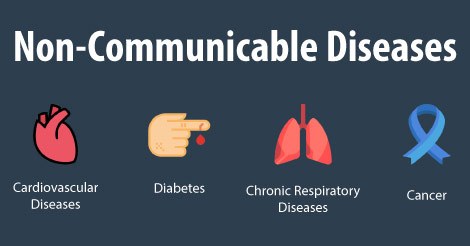
'Non-Communicable Diseases' i.e NCDs, also known as chronic diseases. These diseases are not passed from person to person. Non-Communicable Diseases (NCDs) are usually caused by genetic or lifestyle factors & these diseases of long duration and generally slow progression. The Four main type of NCDs are cardiovascular diseases, Cancers, Chronic respiratory diseases & Diabetes.
Risk Factors
The rise of NCDs has been driven by these major risk factors: tobacco use, physical inactivity, unhealthy diet, and the harmful use of alcohol which affects to metabolic/physiological changes like overweight/obesity, raised blood glucose, raised blood pressure and raised cholesterol
Many Faces of Death
A Non-Communicable Disease or NCD is any illness that is not infectious. The most common ones include heart disease, stroke, cancer, diabetes, respiratory diseases, and cataracts. The World Health Organization (WHO) reports that there is a shifting in the global burden of diseases from infectious disease to Non-Communicable Disease.
Importance of Prevention
Prevention plays a big role in NCDs. NCDs can be prevented by controlling major risk factors like the harmful use of tobacco, alcohol consumption or obesity, unhealthy diet and physical inactivity.
Thought it was an established fact as well as a general belief that people who maintain high levels of fitness are at low risk of being affected by Non-Communicable Diseases compared to those who are unfit and lead an unhealthy lifestyle.But Even young and fit people also can be suffered from NCDs like cancers or heart diseases. There we have well known examples of Yuvraj Singh at his 30s being diagnosed with cancer & 27 year old D Venkatesh's died on the field because heart attack or recently late star David Bowie died from liver cancer. So early detection and preventive health screening is an undeniable requirement.
Every healthy individual should have an annual Non-Communicable Diseases(NCDs) checkup, Get Non-Communicable Diseases checkup done today at special checkup centers in Pune, Mumbai, Delhi, Ahmedabad, Nagpur, Nashik, Goa, Solapur, Bhilai, Vapi, Jalgaon, Belgaum & More cities.
References:
- Alcohol : 3.3 million people die because of harmful use of alcohol annually. There are more 60diseases where alcohol has a significant causal role. In 2010, the worldwide total 62% of adults abstained from alcohol in the past 12 months.
- Physical inactivity: Globally around 3.2 million deaths and 69.3 million DALYs because of insufficient physical activity. And around 23% of adults aged 18+ years were insufficiently physically active.
- Blood glucose: Around 8.5% of adults aged 18 and over had raised blood glucose in 2014
- Tobacco : From tobacco use and exposure to tobacco smoke result in the death of 6 million people annually. Out of World's population 22% aged 15+ are smokers.
- Blood pressure: In 2014, roughly 22% of adults aged 18 and over had raised blood pressure, globally.
- Overweight/ obesity: Globally in 2014, adults aged 18 and over, around 39% were overweight & around 13% were obese.
- Heart attacks & strokes: Cardiovascular disease was the leading cause of NCD deaths in 2012. Out of 17.5 million NCD deaths, 46% or 7.4 million were due to heart attacks and 6.7 million were due to strokes.
- Cholesterol: Roughly 39% of adults aged 25 and over had raised cholesterol, in 2008.
- Unhealthy diet: Approximately 1.7 million of deaths worldwide were attributable to low fruit and vegetable consumption in 2008.
- Global Status Report on Non-Communicable Diseases 2014 - WHO
- World Health Organization - Non-Communicable Diseases (2015)
Early Warning Signs of NCDs
Many NCDs develop without noticeable symptoms. However, some early warning signs may include:
- Frequent fatigue
- Sudden weight gain or loss
- High blood pressure
- Increased blood sugar levels
- Shortness of breath
Ignoring these signs can delay diagnosis and increase complications.
Importance of Early Detection
NCDs are often diagnosed at advanced stages when treatment becomes more complex and expensive. Regular health checkups help detect risk factors early, allowing timely intervention and better management.
Early screening can identify conditions like diabetes, hypertension, and cholesterol imbalance before they become serious.
What We Observ
In preventive health screenings, many individuals are diagnosed with early-stage risk factors such as high cholesterol, borderline diabetes, or hypertension without noticeable symptoms. Delayed testing is one of the key reasons for late diagnosis.
Who Is At Risk
You may be at higher risk of NCDs if you:
- Lead a sedentary lifestyle
- Have poor dietary habits
- Are overweight or obese
- Have a family history of chronic diseases
- Are above 30 years of age
How To Prevent NCDs
Preventing NCDs involves simple lifestyle changes:
- Maintain a balanced diet
- Stay physically active
- Avoid tobacco and limit alcohol
- Manage stress
- Go for regular health checkups
These steps can significantly reduce long-term health risks.
When To Get Tested
You should consider a health checkup if:
- You are above 30 years of age
- You have a sedentary lifestyle
- You have a family history of NCDs
- You experience symptoms like fatigue or high blood pressure
Early testing helps in timely diagnosis and better management.
Sources & Medical References
The information provided in this article is based on global health research and clinical guidelines related to non-communicable diseases, their risk factors, and prevention.
- World Health Organization (WHO): Provides global data and guidelines on non-communicable diseases and prevention strategies.
- National Health Mission (India): Offers national-level programs and insights on NCD prevention and control.
- Centers for Disease Control and Prevention (CDC): Provides research-backed information on chronic diseases and lifestyle risk factors.
- National Institutes of Health (NIH): Offers scientific research and clinical data on chronic disease prevention and management.
Frequently Asked Questions
What are non-communicable diseases (NCDs)?
Non-communicable diseases (NCDs) are long-term health conditions that do not spread from person to person. Common examples include heart disease, diabetes, cancer, and chronic respiratory diseases.
What are the main causes of NCDs?
The primary causes of NCDs include unhealthy diet, lack of physical activity, tobacco use, excessive alcohol consumption, and chronic stress.
What are the most common types of NCDs?
The most common NCDs are cardiovascular diseases, diabetes, cancer, and chronic respiratory diseases.
Can NCDs be prevented?
Yes, many NCDs can be prevented by maintaining a healthy lifestyle including balanced diet, regular exercise, and avoiding tobacco and excessive alcohol.
Why are NCDs increasing in India?
NCDs are increasing due to sedentary lifestyles, unhealthy eating habits, rising stress levels, and lack of regular health checkups.
What are the early warning signs of NCDs?
Early signs include fatigue, weight changes, high blood pressure, increased blood sugar levels, and breathing difficulties.
Who is at higher risk of developing NCDs?
People with sedentary lifestyles, poor diet, obesity, family history of chronic diseases, or age above 30 are at higher risk.
Why is early detection important for NCDs?
Early detection helps identify risk factors before they become serious and allows timely management.
How often should I get tested for NCDs?
Adults above 30 or those with risk factors should undergo regular health checkups annually or as advised by a doctor.
What tests are used to detect NCDs early?
Common tests include blood sugar, cholesterol levels, blood pressure monitoring, and preventive health screenings.
Sources & Medical References
+
NA
Our Most Popular Packages