High Creatinine Level: Causes And Symptoms
Written By: Indus Health Plus Doctors Team
Medically Reviewed | Based on Clinical Guidelines
Last Updated: 21 Apr 2026
The urinary system is one of the different systems in our body. It is the renal system or urinary tract, which includes the urethra, bladder, ureters, and kidneys. The urinary system is responsible for regulating blood pH, controlling levels of metabolites and electrolytes, regulating blood pressure and blood volume, and, lastly, eliminating the waste from our body.
Normal vs High Creatinine Levels
- Men: 0.7 to 1.2 mg/dL
- Women: 0.5 to 1.0 mg/dL
- Above this → may indicate a kidney issue
However, values may vary based on age, muscle mass, and hydration levels.
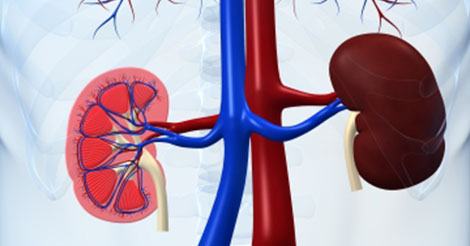
The pair of kidneys acts as a filter in humans and excretes all the chemical substances present in the blood. Creatinine is a waste product created by the metabolic activity of the muscles. It is converted from creatine to creatinine every day and excreted by the kidneys into the urine. After a certain age, it is advised to go for a regular checkup of creatinine levels in the body.
In case of high levels of creatinine, you should contact a health professional or doctor immediately. An abnormal increase in creatinine levels can be indicative of several kidney function diseases.
If you want to live a long and healthy life, try to include regular body checks ups.
What are the causes of high creatinine levels?
There can be various reasons for the high level of creatinine in the body. Some of the causes of creatinine increase are mentioned below. They are as follows:
- Infection in kidney
- Impairments of kidney functions
- Doing strenuous exercises in excess
- Consumption of protein and meat excessively
- Specific foods and supplements can increase creatinine levels
- Drug use
- Certain specific medication
- Alcoholism
Which health conditions cause due to high creatinine levels?
The presence of certain specific diseases or conditions can also cause disturbance in the creatinine levels of your body. Some of the diseases that can potentially raise it are mentioned below. They are as follows:
- Sudden shock
- Excessive blood loss
- Autoimmune disorders
- Urinary tract infections
- High blood pressure
- Abnormal muscle breakdown
- Diabetes mellitus
- Gout
What are the symptoms of elevated creatinine levels
Raised serum creatinine levels in the blood can be indicative of many diseases. So you should get a test done and contact a medical health professional if you notice any of the warning signs present in the body.
Some of the symptoms due to raised serum creatinine levels are mentioned below. They are as follows:
- Mental confusion
- Elevated blood pressure
- Weakness
- Muscle cramps
- Chest pain
- Dehydration
- Changes in the frequency of urination
- Nausea
- Vomiting
- Shortness of breath
- Swelling or presence of oedema
How can I get my creatinine levels checked?
Below we have mentioned some tests that you must take if you are experiencing any signs or symptoms related to creatinine. They are as follows:
Serum Creatinine
The serum creatinine test can measure the exact creatinine levels in your blood. It will analyze the functioning of your kidney as high or abnormal creatinine levels can indicate several grave conditions or chronic kidney disease.
Some of the notable features of the serum creatinine test are given below. It is as follows:
- Accurate reports analyzed by the lab professionals
- Free sample pickup from home
- NABL certified lab
- Only online payment option available
KIDPRO
Opt for the KIDPRO test today and get detailed reports on the functioning of the kidney. All the essential parameters to test the various levels in the kidney are done through this test.
The parameters included in this test are as follows:
- Uric acid
- Serum creatinine
- Calcium
- Blood urea nitrogen [BUN]
- BUN/ serum creatinine ratio
What We Commonly Observe
In routine health checkups, many individuals are found to have elevated creatinine levels without noticeable symptoms. This is especially common among people with sedentary lifestyles, high-protein diets, or undiagnosed diabetes. Early detection through routine testing helps prevent long-term kidney complications.
How High Creatinine is Diagnosed
- Blood test (Serum creatinine)
- Urine test
- eGFR test
Doctors often combine these tests to assess kidney function accurately
When Should You Be Concerned?
- Creatinine consistently rising
- Swelling in the legs or face
- Reduced urine output
- Persistent fatigue
Persistent high creatinine may indicate kidney dysfunction and requires medical evaluation.
Conclusion
Monitoring creatinine levels ensures maintaining healthy kidneys. When you experience some unusual symptoms or want to get clear about the condition of your kidneys, ask your physician. Routine full body checkups can help identify the problem early, and keep your health on course.
Also Read: 9 Basic Health Screening Tests Everyone Should Get Done Regularly
Frequently Asked Questions
1. What does a high creatinine level indicate?
High creatinine levels usually indicate that the kidneys are not functioning properly. Since creatinine is a waste product filtered by the kidneys, elevated levels may be a sign of kidney stress, infection, or underlying conditions like chronic kidney disease.
2. What are the common causes of high creatinine levels?
High creatinine levels can be caused by kidney infections, impaired kidney function, excessive protein intake, dehydration, certain medications, and lifestyle factors like intense exercise or alcohol consumption.
3. What symptoms occur with high creatinine levels?
Symptoms may include fatigue, nausea, swelling (edema), changes in urination, muscle cramps, shortness of breath, and high blood pressure. In early stages, there may be no noticeable symptoms.
4. When should I be concerned about high creatinine levels?
You should consult a doctor if creatinine levels remain consistently high, or if you experience symptoms like swelling, reduced urination, chest pain, or confusion. Persistent elevation may indicate serious kidney conditions that require medical evaluation.
5. How is creatinine level tested?
Creatinine levels are measured through a blood test (serum creatinine) or urine test. These tests help assess kidney function and detect any abnormalities early.
6. Can high creatinine levels be reduced?
Yes, depending on the cause. Lifestyle changes such as proper hydration, a balanced diet, and avoiding excessive protein or alcohol may help. However, medical treatment is required if an underlying condition is present.
7. Is high creatinine always a sign of kidney disease?
Not always. Temporary increases can occur due to dehydration, high protein intake, or intense physical activity. However, persistently high levels should always be evaluated by a doctor.
Sources & Medical References
The information provided in this article is based on clinical research and guidelines from globally recognized health organizations to ensure accuracy and reliability.
- National Kidney Foundation,
- National Institutes of Health (NIH),
- World Health Organisation (WHO)
Sources & Medical References
+
NA
Related Health Checkup Packages

Our Most Popular Packages