Creatinine Stages and Risks at Each Stage
Written By: Indus Health Plus Doctors Team
Medically Reviewed | Based on Clinical Guidelines
Last Updated: 02 May 2026
The waste accumulated in the human body produced by the metabolic activity of muscles is known as creatinine. It is the determining factor in checking the proper functioning of the kidney. The kidney is one of the essential parts of the body and is involved in the excretion of waste metabolic products from the human body. Creatinine is removed from our body by the kidney through urine.
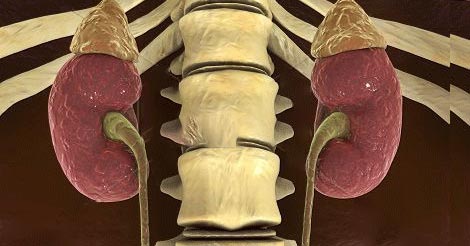
Amidst this stressful and busy lifestyle, we often ignore our health. We miss regular health checkups, which are a must after a certain age. Proper health checkups can measure the levels of essential enzymes such as SGOT, SGPT, blood level, creatinine, etc. It is essential as high levels of creatinine can be indicative of chronic kidney diseases. So, choose a healthy life and include regular checkups in your daily routine.
What is Chronic Kidney Disease?
Chronic kidney disease or CKD is a long-duration condition in which the kidneys will not be functioning properly, leading to many negative effects on the human body. The disease will show symptoms once it starts developing in the body. It is divided into 5 stages according to the severity of kidney failure.
The kidney function test includes measuring and monitoring Glomerular Filtration Rate [GFR]. Several contributing factors are involved, such as race, gender, age, etc.
The classification of chronic kidney disease with GFR is as follows. It is as follows:
- Stage 1:
Stage 1 has normal or high GFR with GFR >90 mL/min.
- Stage 2:
This stage of CKD has mild symptoms in the body. The GFR is 60-89 mL/min.
- Stage 3:
Stage 3A and 3B both have moderate CKD. The GFR for 3A is 45-59 mL/min, and 3B is 30-44 mL/min.
- Stage 4:
It is a severe stage of CKD with a GFR of 15-29 mL/min.
- Stage 5:
Stage 5 is considered the end stage of CKD with <15 mL/min GFR.
What Happens In Case Of High Creatinine Levels?
High or abnormal levels of creatinine suggest kidney transplantation for the affected patients. In some cases, dialysis treatment is also recommended.
What are the symptoms of high creatinine levels?
- Neuropathy
- Dry skin
- Confusion
- Vomiting
- Nausea
- Oedema
- Dehydration
- Fatigue and weakness
What Happens In Case Of Low Creatinine Levels
The low levels of creatinine can be of concern if proper medical treatment is not given to the affected individual. Muscle loss is one of the major causes of low creatinine levels.
Which tests should I take for creatinine?
Patients suffering from Creatinine level issues should undergo health checkups and tests to analyze their kidney functioning. It is as follows:
Why is the Creatinine test important?
The creatinine test can measure the levels of creatinine present in your blood. It is used by health professionals to monitor the functions of your kidney.
Some of the features that you can't miss are as follows:
- Accurate reports by the certified lab professionals
- Free sample pickup from home
- NABL certified lab
- An online payment option is available
What is Creatinine and Why is it Important?
Creatinine is a natural waste product generated from muscle metabolism. Healthy kidneys filter creatinine out of the blood through urine. When kidney function is impaired, creatinine builds up in the bloodstream.
Doctors use creatinine levels along with the estimated glomerular filtration rate (eGFR) to assess kidney function. eGFR measures how efficiently the kidneys are filtering blood.
How Kidney Function is Measured
Kidney function is evaluated using eGFR, which estimates how much blood your kidneys filter per minute.
- Normal kidney function: Above 90 mL/min
- Mild decline: 60–89 mL/min
- Moderate decline: 30–59 mL/min
- Severe decline: 15–29 mL/min
- Kidney failure: Below 15 mL/min
KIDPRO - Complete Health Analysis Of Kidney
Do you want to check all the major parameters related to your kidney at one time? If yes, then go for the KIDPRO test today. The test will check and analyze all the functions of your kidney properly.
The parameters included in the test are mentioned below. They are as follows:
- Uric acid
- Serum creatinine
- Calcium
- Blood urea nitrogen [BUN]
- BUN / SR creatinine ratio
Health Risks Associated with High Creatinine Levels
High creatinine levels can indicate serious health risks, including:
- Chronic kidney disease progression
- Fluid retention and swelling
- High blood pressure
- Heart disease risk
- Electrolyte imbalance
- Kidney failure requiring dialysis
As kidney function declines, waste products accumulate in the body, leading to complications affecting multiple organs.
Common Causes of High Creatinine
- Diabetes
- High blood pressure
- Kidney infections
- Dehydration
- Certain medications
- Urinary blockage
How to Manage and Reduce Creatinine Levels
Managing creatinine levels depends on the underlying cause. Some general steps include:
- Stay well hydrated
- Control blood pressure and blood sugar
- Follow a kidney-friendly diet
- Avoid excessive protein intake
- Limit salt and processed foods
- Regular monitoring and medical checkups
Early detection and proper management can help slow the progression of kidney disease.
Conclusion
Choose a healthy life and follow all the measures to be disease-free. The kidney is one of the most important organs that requires proper care and attention and regular checkups. So follow the test given above and get your creatine checked today. You may choose the Master Health Checkup Package or a Full Body Checkup Package to get a complete overview of your health.
Medical Disclaimer
This content is for informational purposes only and should not be considered medical advice. Consult a qualified healthcare professional for diagnosis and treatment.
Fill up the query form if you want to go for a kidney checkup, and our team will suggest you a suitable health checkup package.
Frequently Asked Questions
What is a normal creatinine level?
Normal creatinine levels vary by age and gender but typically range between 0.6 to 1.3 mg/dL in adults.
What causes high creatinine levels?
High creatinine levels can be caused by kidney disease, dehydration, certain medications, and underlying conditions like diabetes or hypertension.
What are the symptoms of high creatinine?
Symptoms may include fatigue, swelling, nausea, reduced appetite, and changes in urination.
Can creatinine levels be reduced?
Yes, managing underlying conditions, staying hydrated, and following medical advice can help control creatinine levels.
What is eGFR and why is it important?
eGFR estimates how well your kidneys filter blood and is used to determine the stage of kidney disease.
Sources & Medical References
+
- National Kidney Foundation (NKF) – Kidney Disease Stages and eGFR Guidelines
- American Kidney Fund – Chronic Kidney Disease (CKD) Overview and Risk Factors
- National Institute of Diabetes and Digestive and Kidney Diseases (NIDDK) – Kidney Function and Creatinine Testing
- MedlinePlus – Creatinine Test and Kidney Health Information
Related Health Checkup Packages

Our Most Popular Packages