Fatty Liver Disease Types, Risk Factors, & Prevention
Written By: Indus Health Plus Doctors Team
Medically Reviewed | Based on Clinical Guidelines
Last Updated: 22 Apr 2026
Fatty liver disease occurs when excess fat accumulates in liver cells, affecting normal liver function. While small amounts of fat are normal, excessive accumulation can lead to inflammation, liver damage, and long-term complications if not managed properly.
In many cases, fatty liver develops silently without symptoms, making early detection through health checkups essential.
People are more conscious about their appearance in today's world. Just having a good or healthy appearance does not help, you should be healthy from inside. Many research studies have recently revealed that if you are fat, overweight obese you are prone to a variety of serious health issues. Since we are talking about fat, do you know the fats we consume from foods are metabolized (broken down) in the liver? Now imagine what will happen in case this fat is accumulated in the liver itself? Let's get to know more about this condition called fatty liver.
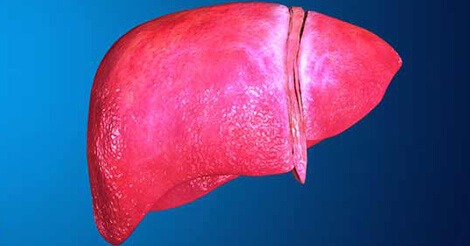
What is Fatty Liver?
As a normal process, the fat content of the food we eat is metabolized (broken down) in the liver. When there is an abnormality in the process fat metabolization, this fat slowly keeps on accumulating in the liver excessively. The fat accumulation in the liver leads to the condition termed as fatty liver.
Types of Fatty Liver Disease
There are 3 types of fatty liver diseases
Non-Alcoholic Fatty Liver Disease (NAFLD)
This is the commonest and comparatively the least complicated one. It can be managed and treated easily with simple lifestyle changes.
Non-Alcoholic Steatorrhoeic Hepatitis (NASH)
Steatorrhea itself means an excess of fat in the stools. In this advanced type of Non-alcoholic fatty liver disease, there is swelling in and around the fatty liver cells. This can lead to the chronic liver disease called as liver cirrhosis (fibrous thickening of liver tissue)
Alcoholic Fatty Liver Disease: (ALD)
As the name suggests, this condition results from excessive consumption of alcohol.
Stages of Fatty Liver Disease
Fatty liver disease typically progresses through the following stages:
1. Simple fatty liver (Steatosis) – Fat accumulation without damage
2. Steatohepatitis – Inflammation begins
3. Fibrosis – Scar tissue formation
4. Cirrhosis – Severe liver damage and impaired function
Understanding these stages helps in early diagnosis and prevention of complications.
Symptoms of Fatty Liver
Fatty liver is often asymptomatic in early stages. As the condition progresses, symptoms may include:
- Fatigue and weakness
- Abdominal discomfort (upper right side)
- Bloating
- Jaundice (in advanced stages)
- Swelling in the abdomen or legs
These symptoms usually appear when liver damage has progressed.
Risks Factors in Fatty Liver
The known and common risk factors of fatty liver disease are:
- Obesity
- High alcohol intake
- High-fat diet, especially in saturated fats
- Insulin resistance
- Diabetes
- Lack of exercise
The less common risk factors are:
- In pregnancy
- Consumption of some prescription drugs like corticosteroids or tetracyclines
- Underactive thyroid gland (hypothyroidism)
- High blood cholesterol
- Female reproductive system complications like ovarian disorders (Polycystic Ovarian Syndrome)
Complications of Fatty Liver Disease
Some serious complications of a fatty liver include:
- Liver Cirrhosis
- Gastro-intestinal bleeding
- Disease of the brain called as encephalopathy
- Non-alcoholic steatorrhoeic hepatitis (NASH) could often lead to the fatal liver cancer
Treatment and Management of Fatty Liver
Fatty liver can be treated and managed by making some adjustments to our lifestyle and controlling the underlying causes. Some ways by which fatty liver can be controlled are:
- Weight loss and exercise
- Proper management of diabetes
- Monitoring of medications for other health conditions like high blood cholesterol and sugar levels
- Limiting the usage of drugs that could damage the liver
Dietary modifications
Keeping a check on what you eat works best in managing a fatty liver. Some dietary recommendations are
- Consume less of refined carbohydrates like white bread, pasta, noodles, pastry, cakes, and biscuits
- Eat raw fruits/vegetables
- Avoid deep-fried/processed foods
- Limit dairy products like milk, cream, butter and processed cheese
- Avoid margarine/similar spreads
- Avoid sugar based processed foods/drinks, and artificial sweeteners
- Drink plenty of water
Prevention of Fatty Liver Disease
This is a highly preventable condition. Prevention plays a major role as the condition may not display any prominent symptoms. Fatty liver can be prevented as mentioned in the management of fatty liver section. Some important tips for its prevention are:
- A healthy lifestyle
- A well-balanced diet
- Avoiding excess alcohol consumption
- Weight management with a regular physical exercise regimen
What We Commonly Observe
In preventive health checkups, fatty liver is frequently detected in individuals with sedentary lifestyles, obesity, or metabolic conditions like diabetes. Many cases are identified incidentally during routine tests, even when no symptoms are present.
When Should You Be Concerned?
You should consult a doctor if:
- Fatty liver is detected in repeated tests
- Liver enzyme levels remain elevated
- Symptoms like jaundice or swelling appear
- You have diabetes, obesity, or high cholesterol
How is Fatty Liver Diagnosed?
Fatty liver is usually detected through:
- Liver Function Tests (LFT)
- Ultrasound imaging
- FibroScan (to assess liver stiffness)
- In some cases, MRI or liver biopsy
Also, since the symptoms are usually not pronounced, a regular preventive health checkup is an ideal method to detect a fatty liver. Also, an early detection of this condition can prevent its most fatal complications like liver cirrhosis or even liver cancer.
Frequently Asked Questions
1. What is fatty liver disease?
Fatty liver disease occurs when excess fat accumulates in liver cells. While small amounts of fat are normal, excessive fat can affect liver function and may lead to complications if not managed.
2. Is fatty liver disease serious?
In early stages, fatty liver is often reversible and may not cause symptoms. However, if left untreated, it can progress to inflammation, fibrosis, or cirrhosis, which are more serious conditions.
3. Can fatty liver be reversed?
Yes, early-stage fatty liver can often be reversed with lifestyle changes such as weight loss, healthy diet, regular exercise, and avoiding alcohol.
4. What are the common symptoms of fatty liver?
Fatty liver usually has no symptoms in early stages. As it progresses, symptoms may include fatigue, abdominal discomfort, swelling, and in severe cases, jaundice.
5. What causes fatty liver disease?
Common causes include obesity, diabetes, high cholesterol, poor diet, sedentary lifestyle, and excessive alcohol consumption.
6. How is fatty liver diagnosed?
Fatty liver is typically diagnosed through blood tests (LFT), ultrasound imaging, and sometimes advanced tests like FibroScan or MRI.
7. How long does it take to improve fatty liver?
Improvement can be seen within a few months with consistent lifestyle changes. However, recovery time depends on the severity and underlying cause.
8. Which foods should be avoided in fatty liver?
Foods high in sugar, refined carbohydrates, saturated fats, processed foods, and alcohol should be avoided as they can worsen liver fat accumulation.
Sources & Medical References
The information provided in this article is based on clinical research and guidelines from globally recognized health organizations to ensure accuracy and reliability.
- World Health Organization (WHO),
- National Institutes of Health (NIH),
- American Liver Foundation
Sources & Medical References
+
NA
Related Health Checkup Packages
Our Most Popular Packages